Why Your Smartwatch Fitness Tracking Fails Most People (And What Actually Builds Lasting Habits)
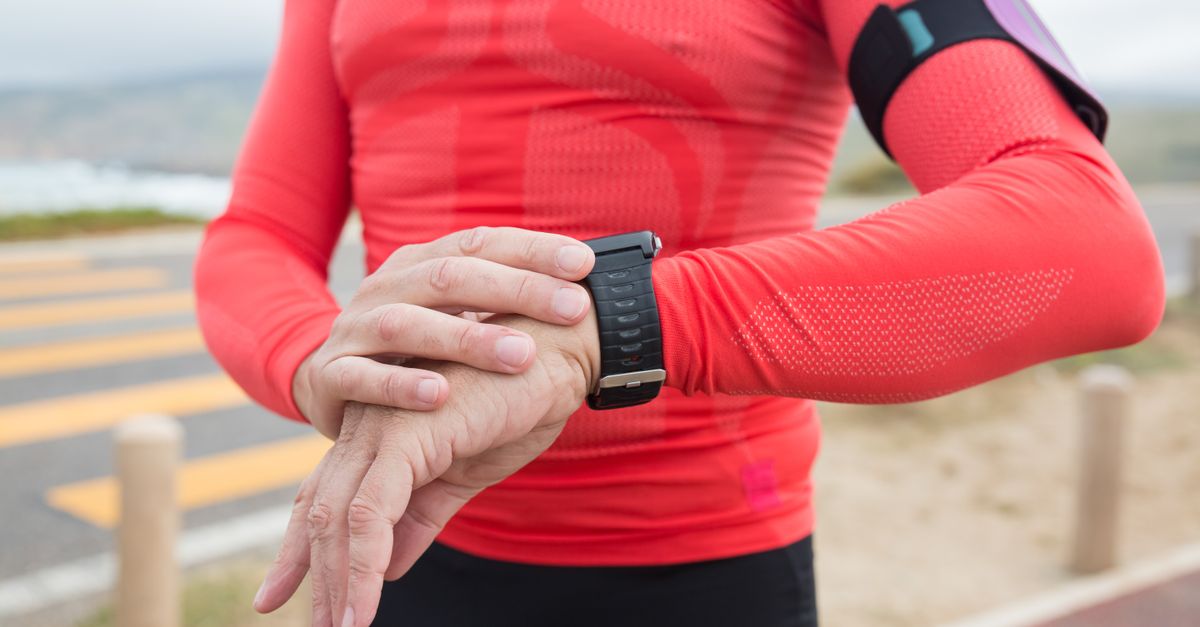
You just shelled out a few hundred dollars for the latest smartwatch, eager to finally get serious about your fitness. It tracks your steps, monitors your heart rate, logs your sleep, and even reminds you to stand up every hour. You started strong, diligently checking your rings and hitting your step count. But now, a few months in, the novelty has worn off. The charging cable is often misplaced, the notifications are more annoying than motivating, and those activity rings? They’re mostly a colorful reminder of what you didn’t do. You’re not alone. In my experience reviewing countless wearables, the promise of a smartwatch as a personal trainer on your wrist often falls flat for one simple reason: it provides data, but it rarely provides transformation.
Many assume that more data automatically leads to better health outcomes. We buy into the idea that if we just know how many calories we burned or how many minutes we spent in a specific heart rate zone, we’ll magically become fitter. The reality is, for most people, this constant stream of metrics creates a temporary surge of motivation followed by a predictable slump. It treats the symptoms (lack of movement, poor sleep) without addressing the root cause – a disconnect from our bodies and a reliance on external validation. What really works isn’t just tracking; it’s understanding why you’re tracking, integrating those insights into your daily life, and fostering an intrinsic motivation that no device can generate.
Key Takeaways
- Smartwatches excel at data collection but often fail to create lasting behavioral change for most users.
- Relying solely on external metrics from a device can disconnect you from your body’s natural signals and intrinsic motivation.
- True fitness progress comes from understanding your ‘why,’ integrating small, consistent actions, and focusing on process over just outcomes.
- Leverage your smartwatch for raw data, but interpret it with self-awareness and use it to inform mindful choices, not just chase numbers.
The Data Deluge Delusion: Why More Metrics Don’t Mean More Motivation
When I first got deep into reviewing smartwatches, I was as susceptible as anyone to the ‘more data is better’ mindset. Every new metric – HRV, blood oxygen, skin temperature, advanced sleep stages – felt like another key to unlocking peak performance. The reality I consistently observed, both in myself and in the thousands of user experiences I’ve analyzed, is that data overload often leads to paralysis or indifference, not profound change.
Think about it: Your smartwatch can tell you that you only got 6 hours and 15 minutes of sleep, and your ‘readiness score’ is low. It can tell you your heart rate hit 160 BPM during that brief jog to catch the bus. But what does that actually mean for your next action? For many, it’s just another notification, easily dismissed. The sheer volume of numbers can be overwhelming, making it hard to discern what’s genuinely actionable versus what’s just noise. When every aspect of your physical existence is gamified and assigned a score, the inherent joy of movement or the natural rhythm of rest can be lost in the pursuit of ‘beating’ the algorithm. This external pressure is unsustainable because it rarely taps into the deeper reasons why we should care about our health.
The mistake I see most often is users becoming slaves to the numbers. They’ll force themselves to walk an extra block to hit 10,000 steps, even if their body is screaming for rest, or they’ll stress about a ‘red’ recovery score, which only adds to their stress. This isn’t building healthy habits; it’s building a new form of digital anxiety. What changed everything for me was realizing that the raw data is a tool, not a dictator. It’s there to inform my decisions, not make them for me. Without a clear personal framework for interpreting and acting on that data, it’s just a lot of pretty graphs that ultimately don’t move the needle.
The Trap of External Validation: Chasing Rings, Not Well-being
One of the most insidious ways smartwatches fail to build lasting habits is by fostering a dependence on external validation. Those colorful rings closing, the congratulatory vibrations, the streaks you build – they’re powerful motivators, but they’re inherently fleeting. What happens when you miss a day? Or a week? The psychological impact of ‘breaking a streak’ can be demoralizing, leading many to give up entirely rather than just picking up where they left off.
I’ve seen it countless times: individuals who are highly motivated by closing their Apple Watch rings or hitting their Fitbit badges find their motivation plummet and habits crumble the moment the device breaks, is lost, or simply runs out of battery. This isn’t a habit; it’s a conditioned response to a digital reward system. True, sustainable well-being comes from an internal drive – the desire to feel good, to have more energy, to move without pain, or to simply be present with loved ones. It’s about how your body feels, not how your watch says your body feels.
The hidden cost here is that by outsourcing our motivation to a gadget, we inadvertently diminish our own intrinsic capacity for self-regulation and self-awareness. We stop listening to the subtle cues our bodies send – the genuine fatigue, the authentic burst of energy, the quiet satisfaction of a good night’s sleep – because we’re constantly checking the external scoreboard. My advice? Use the gamification sparingly. See the rings as a gentle nudge, not a strict taskmaster. Focus on the feeling of accomplishment and improved health, not just the digital representation of it.
Missing the ‘Why’: Why Outcomes Without Process Are Unsustainable
Most smartwatch fitness tracking focuses heavily on outcomes: steps taken, calories burned, active minutes achieved. While these are important metrics, they often overlook the fundamental human element of process and purpose. Why are you trying to hit 10,000 steps? Is it just because your watch told you to, or is there a deeper reason? Without a clear ‘why,’ the motivation to engage in the process often evaporates.
In my journey, both personally and in observing others, the most sustainable changes in fitness and well-being stemmed not from chasing arbitrary numbers, but from connecting activity to a larger life goal or value. For instance, instead of just aiming for 30 active minutes, shifting to ‘I want to play vigorously with my kids without getting winded’ or ‘I want to hike that challenging trail next summer’ provides a far more compelling and resilient motivation. The smartwatch then becomes a helpful tool to support that ‘why,’ not define it.
What actually works is to define your personal health vision independent of your device. What does ‘healthy’ feel like to you? What activities bring you joy? How do you want to show up in your life? Once you have that clarity, your smartwatch can help you monitor your progress towards that vision. For example, if your ‘why’ is stress reduction, tracking your heart rate variability (HRV) or sleep quality might be genuinely useful, but only if you also have a plan to act on those insights – perhaps incorporating a mindful walk if your stress is high, rather than just noting the number and moving on.
The Illusion of Automation: Habits Require Intentional Engagement
Smartwatches excel at automating data collection. They seamlessly track your every move, sleep cycle, and heart beat. This automation can create an illusion that habit formation itself is also automatic – just wear the device, and the habits will follow. Unfortunately, true habit formation is a deeply intentional and often effortful process that requires conscious engagement, reflection, and adjustment, not just passive data logging.
I’ve seen many users fall into the trap of thinking, “My watch tracked it, so I must have done it.” But knowing you took 8,000 steps is different from consciously choosing to take an afternoon walk because you know it boosts your mood and energy. The latter builds a habit; the former is just data entry. The watch records; you still have to decide to act.
What changed everything for me in building sustainable habits was understanding the difference between a ‘trigger’ and a ‘habit loop.’ Your smartwatch can provide a trigger (e.g., “Time to stand!”), but the habit loop – cue, routine, reward – must be cultivated internally. The ‘routine’ is your actual physical action, and the ‘reward’ is the internal feeling of accomplishment, improved energy, or better sleep, not just a closed ring. My recommendation: Use your smartwatch’s passive data as a retrospective journal. At the end of the day, or week, review the data and ask yourself: What did this data tell me about my choices? What felt good? What didn’t? What can I intentionally adjust tomorrow? This reflective practice transforms passive data into active learning and intentional habit building.
The Disconnect from Intuition: Why Relying on Tech Silences Your Body
One of the most subtle yet significant ways smartwatch fitness tracking fails us is by eroding our intuitive connection to our own bodies. Before pervasive wearables, we relied on internal cues: ‘I feel tired, I should rest.’ ‘I have energy, I should move.’ ‘I feel sluggish, maybe I should eat something lighter.’ Our bodies are incredible feedback systems, constantly providing information.
However, when we constantly defer to an external device – checking our ‘readiness score’ before deciding if we can work out, or waiting for a ‘move alert’ to stand up – we gradually silence that internal dialogue. We start to trust the algorithm more than our own felt experience. This creates a dependency that is antithetical to true wellness, which thrives on self-awareness and self-mastery.
In my experience, the most resilient individuals in their fitness journeys are those who use technology as a supplement, not a substitute, for their inner wisdom. They might look at their sleep data to confirm a feeling of fatigue, but they won’t ignore their body’s signals if the watch says they’re ‘ready’ for a grueling workout. What works is to re-prioritize your subjective experience. Pay attention to how you feel before, during, and after activities. Use your smartwatch data to corroborate or challenge your perceptions, but never let it completely override your intuition. For instance, if you feel great but your recovery score is low, consider if you had an unusually good night’s sleep the previous night, or if the algorithm simply doesn’t fully capture your unique physiological response.
Actionable Integration: Using Your Smartwatch as a Smart Tool
So, if smartwatch fitness tracking so often falls short, should you just ditch the device? Not necessarily. The problem isn’t the technology itself, but how most people use it. When approached with intentionality and a clear understanding of its limitations, a smartwatch can be a powerful supplementary tool for building lasting habits. The key is to shift from passive data consumption to active, mindful integration.
Here’s what actually works: First, filter the noise. Not every metric is relevant to your primary health goals. Identify 1-3 key metrics that genuinely support your ‘why.’ For stress management, maybe it’s HRV and sleep quality. For increased activity, perhaps daily steps and active heart rate zones. Ignore the rest. Second, use notifications strategically. Instead of an endless stream of alerts, set specific, non-intrusive reminders for actions you want to take, like a gentle prompt to stand up if you’ve been sedentary for too long, or a reminder to start your wind-down routine an hour before bed. Third, engage in regular self-reflection. Don’t just look at the numbers; think about them. At the end of the week, open your app and consider: What patterns do I see? How did my activity affect my sleep? How did stress influence my heart rate? Use these insights to learn about your body and behaviors, then set a small, actionable intention for the next week.
Finally, pair your smartwatch with real-world experiences and community. Join a walking group, sign up for a charity run, try a new fitness class. These provide the intrinsic motivation, social connection, and tangible goals that no gadget can replicate. Your smartwatch can track your progress in that run or class, but the reason you’re there comes from a deeper place. By making your smartwatch a conscious partner in your health journey, rather than the sole driver, you move beyond mere data tracking to genuine, sustainable habit formation.
Frequently Asked Questions
Q: Why do I feel like my smartwatch is making me more stressed about fitness?
A: This is a common issue stemming from the ‘data deluge delusion’ and relying too heavily on external validation. When every action is measured and assigned a score, the pressure to always perform optimally can create anxiety. Focus on fewer, more meaningful metrics, connect them to your personal ‘why,’ and prioritize how you feel over what the numbers say.
Q: My smartwatch tells me my sleep is bad, but I feel rested. Should I trust the device?
A: Your subjective experience is paramount. While smartwatches provide valuable insights into sleep stages and duration, they don’t always capture the full picture of restorative sleep quality. Use the data as a guide, but trust your body’s signals first. If you feel rested, acknowledge that. Perhaps the device highlights a pattern (e.g., late bedtime, frequent awakenings) that you can explore, but don’t let it negate your felt well-being.
Q: How can I prevent my smartwatch from becoming just another ignored gadget?
A: The key is intentional engagement. Instead of passively wearing it, decide on 1-3 specific, actionable goals for using its features. For example, if you want to increase daily movement, use the step counter and set a daily goal, but also plan how you’ll achieve those steps (e.g., walking during lunch, taking stairs). Regularly review the data, reflect on your progress, and adjust your approach. Make it a tool for self-discovery, not just a tracker.
Q: Is there a specific feature I should focus on for lasting habit change?
A: While individual needs vary, focusing on consistency metrics (like daily active minutes or steps) and then gradually increasing them is often more effective than chasing intense, sporadic bursts. Additionally, paying attention to sleep tracking can be transformative, as consistent, quality sleep is foundational to all other healthy habits. Remember to pair these metrics with a strong personal ‘why.’
Q: Should I stop wearing my smartwatch if it’s causing more stress than motivation?
A: If your smartwatch is consistently causing stress or negative feelings, it’s absolutely okay to take a break or even stop wearing it. Your mental well-being is more important than any fitness metric. You can always re-evaluate later or try a simpler device that offers less data. Sometimes, disconnecting from constant tracking can help you reconnect with your body’s natural rhythms.
In the end, your smartwatch is just a tool. It has the potential to collect incredible data, but true, lasting fitness habits are forged in the crucible of your own consistent actions, mindful choices, and unwavering commitment to your personal well-being. Don’t let the device define your journey; let it simply illuminate the path you choose to walk.
Written by Maya Singh
Software reviews, mobile tech, industry analysis
With a background in consumer tech journalism, Maya focuses on user experience and market trends.
You Might Also Like
Why Your Smartwatch Fitness Tracking Fails Most People (And What Actually Builds Lasting Habits)
Smartwatches promise to revolutionize fitness, but most people struggle to form lasting habits. Discover why passive tracking isn't enough.

10 Morning Habits That Will Transform Your Day
Small changes to your morning routine can have a profound impact on your productivity, mood, and overall wellbeing. Here are 10 habits worth adopting.

How to Sleep Better Tonight: A Complete Guide
Poor sleep affects every aspect of your life. Here's what the science says about getting the rest you actually need.